





Sandbags For Oilfield Applications
At Palmetto Industries, our sandbags for oilfield applications are built to meet the demands of one of the most challenging industrial environments on the planet. From pipeline trench support to wellsite berm construction and erosion management across rights-of-way, our woven polypropylene bags deliver the strength, UV resistance, and fill versatility that oil and gas operations require.
Oilfield sites don’t operate on standard timelines. Equipment moves fast, conditions shift overnight, and the cost of delays compounds quickly. That’s why our bags are engineered not just for strength, but for ease of deployment — so your crew can fill, place, and move on without downtime.
Get a quote for oilfield sandbags today!
Contact Us
Why oilfield environments demand purpose-built sandbags
Standard sandbags fail in the field. Thin-woven fabric tears during rough handling. Inadequate UV inhibitors mean bags degrade within weeks under open-sky conditions. Poor seams burst under the weight of compacted fill.
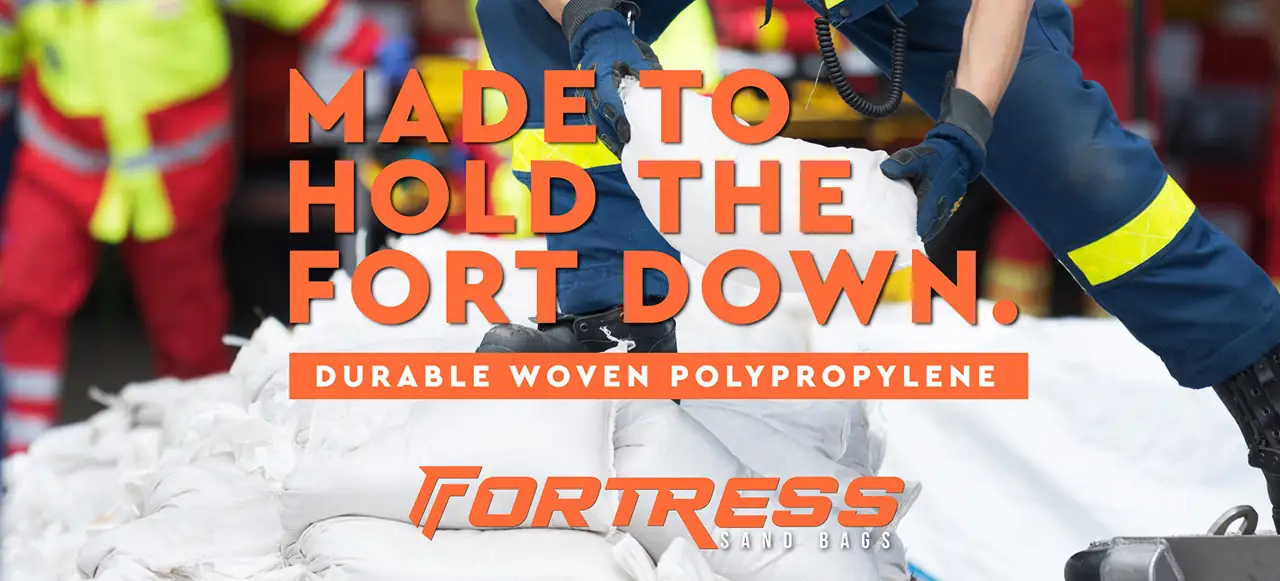
Oilfield applications push every one of these failure points at once — heavy machinery nearby, sustained outdoor exposure, chemical-laden environments, and regulatory scrutiny on spill containment and erosion. Our bags are built to last through all of it, made from tightly woven polypropylene with UV treatment that extends functional life in full-sun conditions.
Additional reading: polypropylene UV resistance
Core oilfield applications for our sandbags
Whether your crew is running a new pipeline, maintaining production equipment, or managing surface runoff across a frac site, sandbags play a role in more stages of oilfield work than most buyers initially realize.
- Pipeline cushioning and pipe bedding: Sandbags placed directly beneath and around pipe segments protect the coating during lowering-in operations. They absorb impact from soil loads and machinery, reducing the risk of dents, coating failure, and premature pipeline degradation.
- Trench support and edge stabilization: During open-cut pipeline installation, trench walls are prone to collapse — particularly in sandy or saturated soils common near wetlands and floodplains. Sandbags placed along trench edges stabilize the working environment and protect workers.
- Buoyancy control in high-water soils: In swampy terrain, river lowerings, and high-water-table environments, buried pipelines can experience significant upward lift. Sandbags deployed as ballast weights counteract this buoyancy force. Proper negative buoyancy targets — typically 10–20% net downward force — are calculated based on pipe diameter, soil density, and water depth.
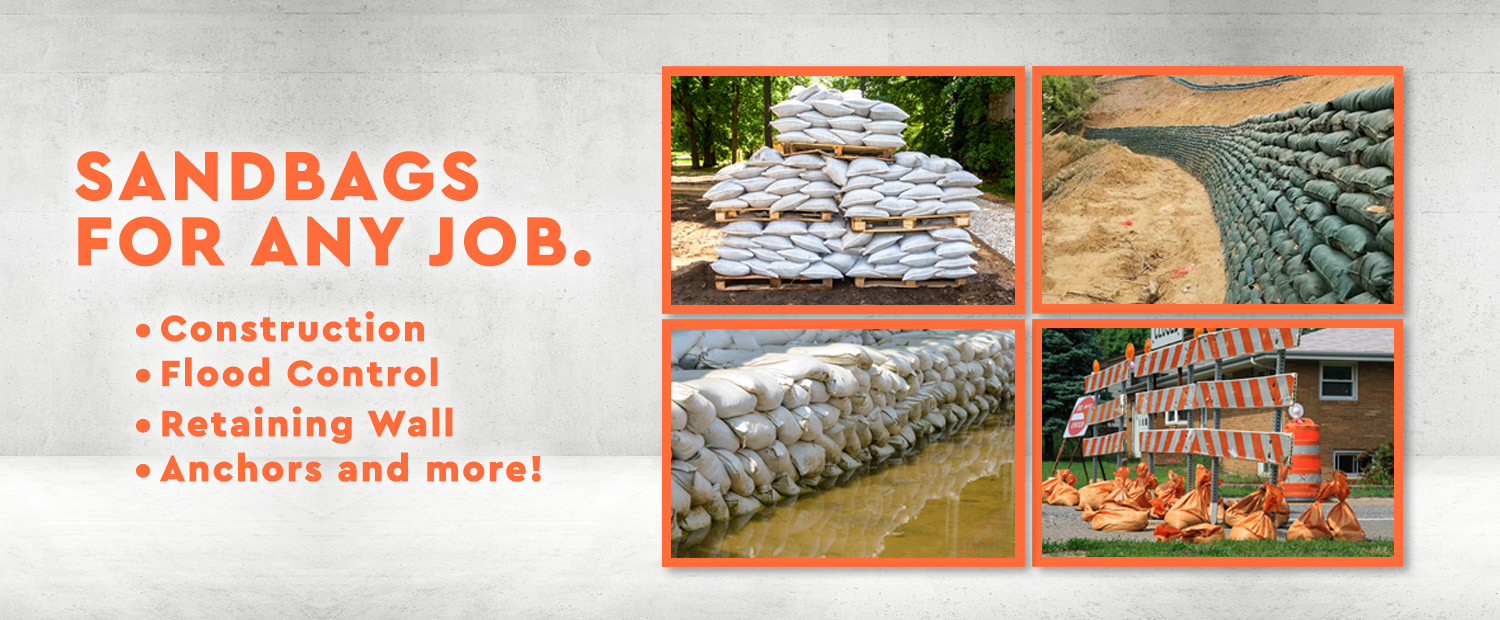
- Erosion control along rights-of-way (ROW): Surface runoff along seeded ROW corridors strips topsoil and undermines reclamation efforts. Sandbags form check dams and temporary berms that slow water velocity, trap sediment, and allow vegetation to establish.
- Wellsite berm and spill containment support: Around wellheads, frac tanks, and heavy equipment staging areas, sandbags are used to build secondary containment berms. The EPA’s Spill Prevention, Control, and Countermeasure (SPCC) regulations require secondary containment at regulated oil and gas facilities — and sandbag-constructed berms are one of the most flexible, cost-effective tools for meeting that requirement.
- Equipment and material ballast: Tarps, containment liners, geomembranes, and temporary structures need to be anchored in windy open-site conditions. Filled sandbags provide reliable weight without permanent installation.
Oilfield sandbag specifications at a glance
| Feature | Specification |
|---|---|
| Material | Woven polypropylene (tubular construction) |
| UV treatment | Standard UV inhibitor; extended UV options available |
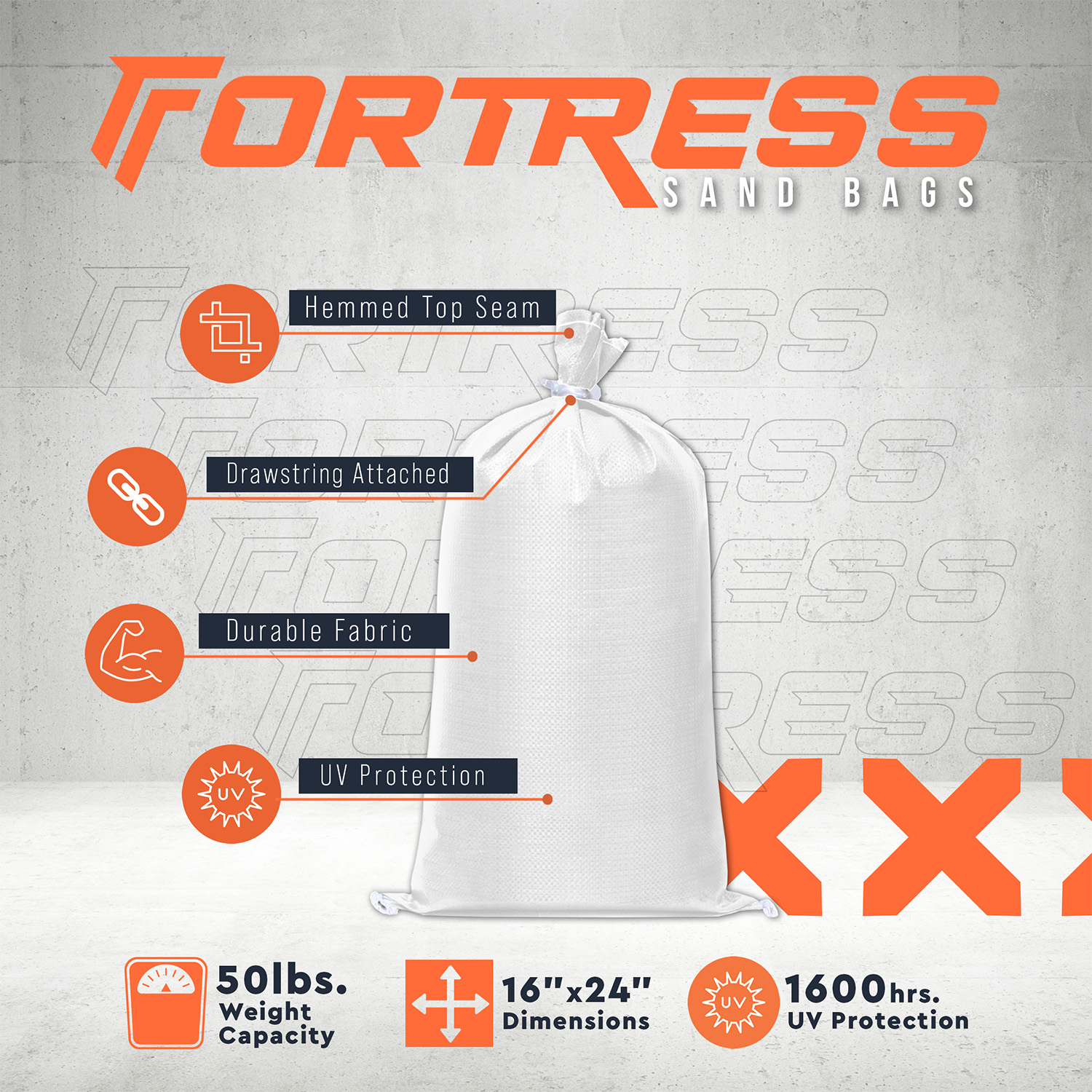
| Available sizes | 16″ × 24″, 18″ × 30″, 22″ × 36″ |
| Typical filled weight | 50–100 lbs, depending on size and fill |
| Fill compatibility | Sand, gravel, C33 spec aggregate, native fill |
| Closure type | Tie string or heat-cut open top |
| Color options | White, orange, black, yellow, green |
| Custom options | Printed bags, custom sizing, private label |
| Certifications | Available with job documentation on request |
Choosing the right bag for your oilfield job
Not all applications call for the same bag. Here’s how our team approaches the selection process with oilfield customers:
- For pipeline cushioning and bedding: Larger bags — 18″ × 30″ or 22″ × 36″ — offer more surface area and fill volume, distributing load more evenly across the pipe. Open-top bags allow faster fill rates with mechanized equipment on site.
- For buoyancy control ballasting: Heavier fill materials like clean gravel or C33-spec aggregate are often specified by project engineers. Our bags accept these fills without seam stress failures, and we can supply documentation to support project certifications.
- For ROW erosion control: Lighter bags filled with native sandy soil work well for check dams and sheet flow management. Our UV-treated white and tan bags are frequently used here because they blend into disturbed earth conditions.
- For wellsite berms and spill support: Black or orange bags are often preferred — black for reduced visibility in environmentally sensitive settings, orange for high-visibility safety compliance in active equipment zones.
Hypothetical Scenario A pipeline crew is lowering a 24-inch diameter natural gas transmission line through a low-lying stretch of right-of-way where the water table sits within 18 inches of the surface. Without buoyancy control, the empty pipe would experience significant upward lift once the trench is flooded during backfilling.
The project engineer specifies sandbag weights placed at regular intervals along the pipe, filled with locally sourced gravel to achieve the target 15% negative buoyancy. Each bag is placed and secured before the trench is inundated, allowing the lowering-in crew to proceed safely and on schedule.
Bulk discounts available on orders over $100
Oilfield projects rarely need a handful of bags. Pipeline spreads, wellsite prep crews, and ROW contractors typically require bags by the pallet — and timing matters. Waiting until you’re on site to order creates delays that compound fast when a crew is standing by.
Palmetto Industries offers 5% off plus free shipping on orders over $100, making it straightforward to stock up ahead of your project start date or maintain a standing supply at your yard. Whether you’re sourcing for a single pipeline job or managing ongoing procurement across multiple sites, ordering in volume keeps your costs down and your schedule protected.
Not sure how many bags you need or which size is right for your application? Reach out to our team, and we’ll work through it with you.
Contact Us
Explore our other sandbag options
Looking for sandbags for a different application? We supply purpose-built sandbags for sale across a wide range of industries and use cases:
- Construction Sandbags: Built for rough job site conditions, heavy fills, and long-term deployment.
- Empty Sand Bags: Versatile and ready to fill for any application where you supply the fill material on site.
- Erosion Control Sandbags: Engineered for slope stabilization, shoreline protection, and high-erosion environments.
- Heavy Duty Sandbags: For applications demanding maximum durability and load capacity.
- Military Sandbags: Rugged, reliable, and built to perform in demanding field conditions.
- Sandbags for Flooding: Fast-deploy flood protection for properties, infrastructure, and emergency response programs.
- UV-Resistant Sandbags: Designed for outdoor applications where prolonged sun exposure would break down a standard bag.
Additional reading: what are sandbags used for
Why Palmetto Industries for oilfield sandbags
Since 1994, Palmetto Industries has been supplying industrial packaging solutions across demanding sectors — including oil and gas, mining, construction, and chemicals.
Our vertically integrated manufacturing operation in Pondicherry, India, means we control every step of the production process, from raw material selection through finished bag testing.
We maintain ISO 9001 and ISO 22000 certifications, and our global warehousing network — with locations across the U.S., Australia, South America, and the UK — means we can fulfill large-volume oilfield orders with the delivery timelines your project schedules require.
Our team works directly with procurement managers, project engineers, and field supervisors to match the right bag specifications to each job. We don’t push one-size solutions — we ask the right questions first.
Ready to source oilfield sandbags from a manufacturer you can count on?
Our product specialists understand oilfield applications — from pipeline construction cycles to EPA compliance requirements for wellsite containment. We’re here to help you specify the right bag, verify material documentation requirements, and coordinate delivery to your spread or site.
Contact Us
Sandbags For Oilfield Applications FAQs
Showing all 7 resultsSorted by popularity
-

Sand Bags, Woven Polypropylene Empty White Sandbags – Open Top, 22″ x 36″
$1.00 Shop Now -

Sand Bags, Woven Polypropylene Empty Orange Sandbags with Tie String – 16″ x 24″
$1.00 Shop Now -

Sand Bags, Woven Polypropylene Empty White Sandbags with Tie String – 16″ x 24″
$1.00 Shop Now -
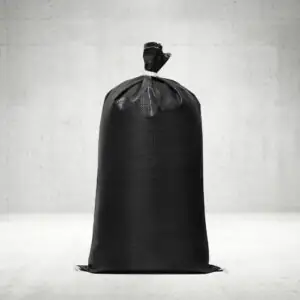
Heavy Duty Sand Bags, Woven Polypropylene Empty Black Sandbags with Tie String – 16″ x 24″
$2.00 Shop Now -

Large Sand Bags, Woven Polypropylene Empty White XL Sandbags with Tie String – 18″ x 30″
$1.50 Shop Now -

Sand Bags, Woven Polypropylene Empty Yellow Sandbags with Tie String – 16″ x 24″
$1.00 Shop Now -
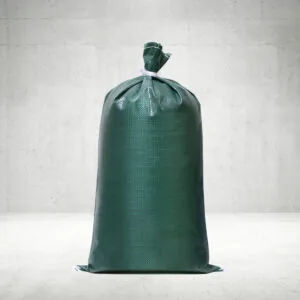
Sand Bags, Woven Polypropylene Empty Green Sandbags with Tie String – 16″ x 24″
$1.00 Shop Now