




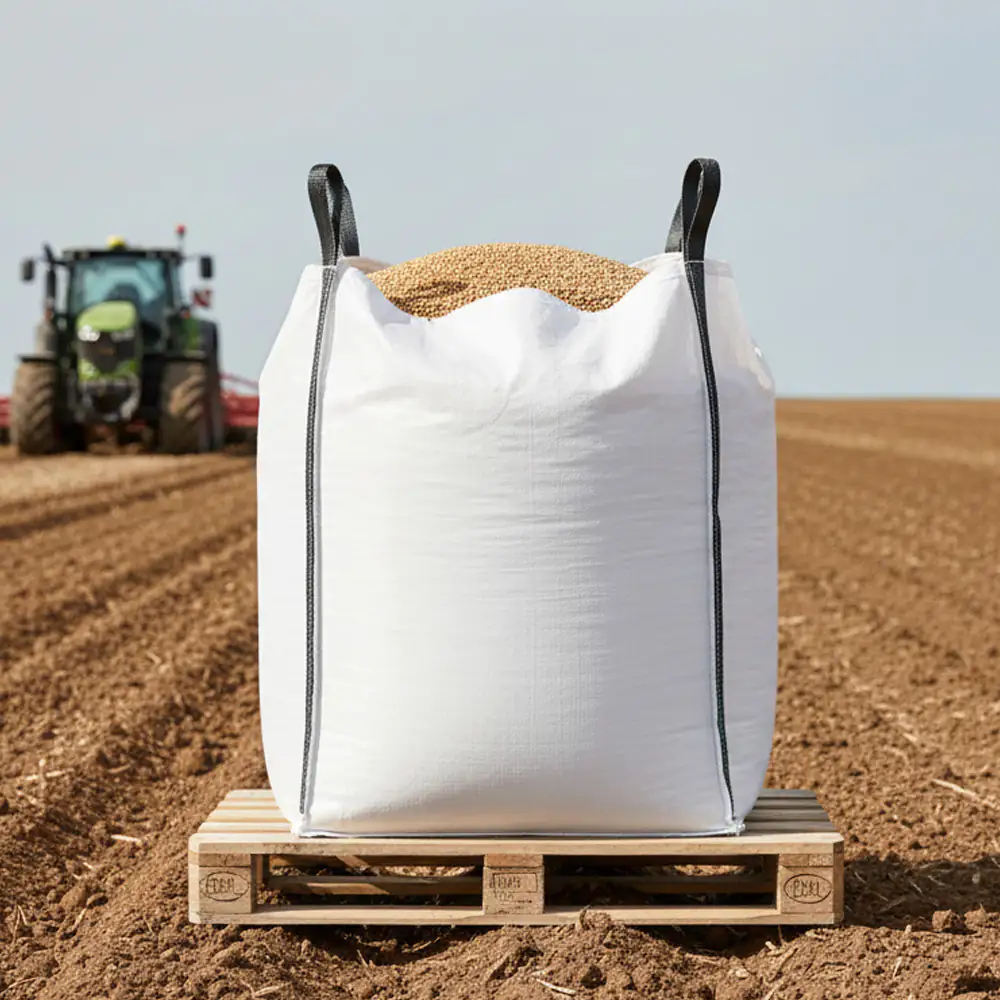

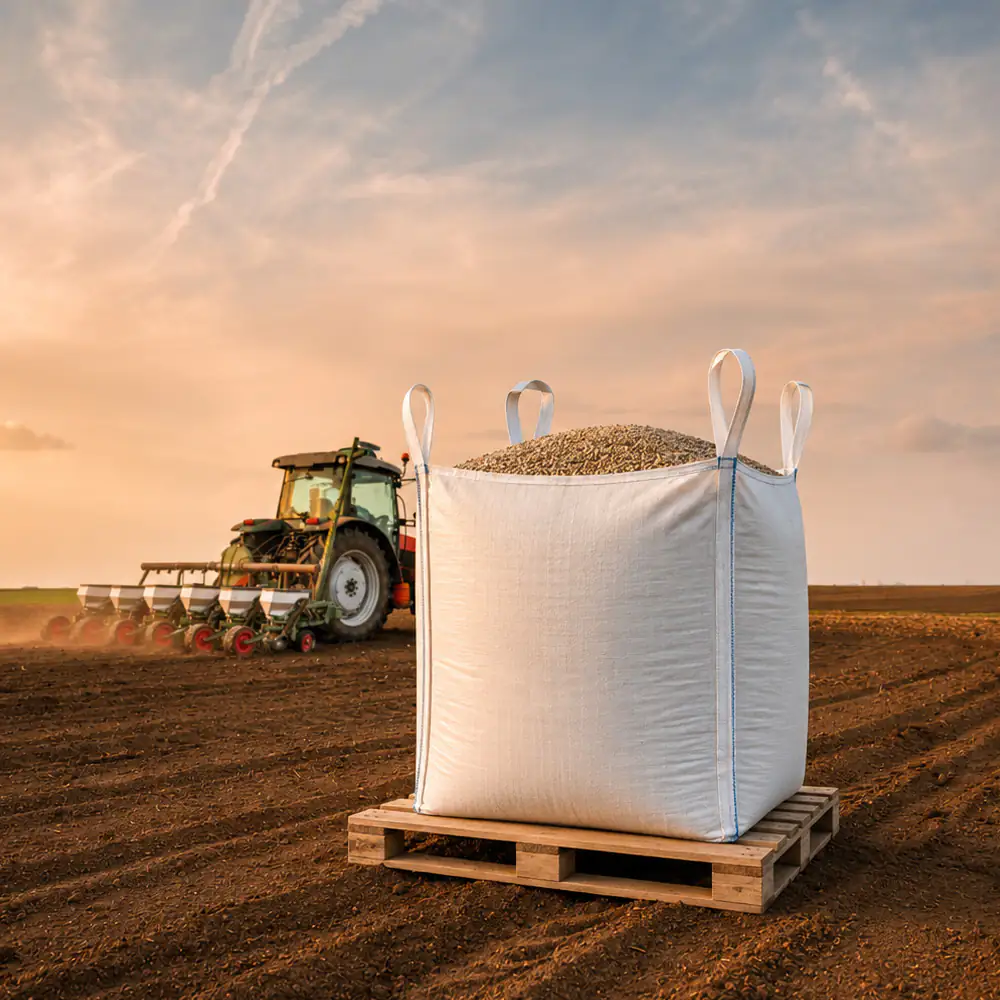
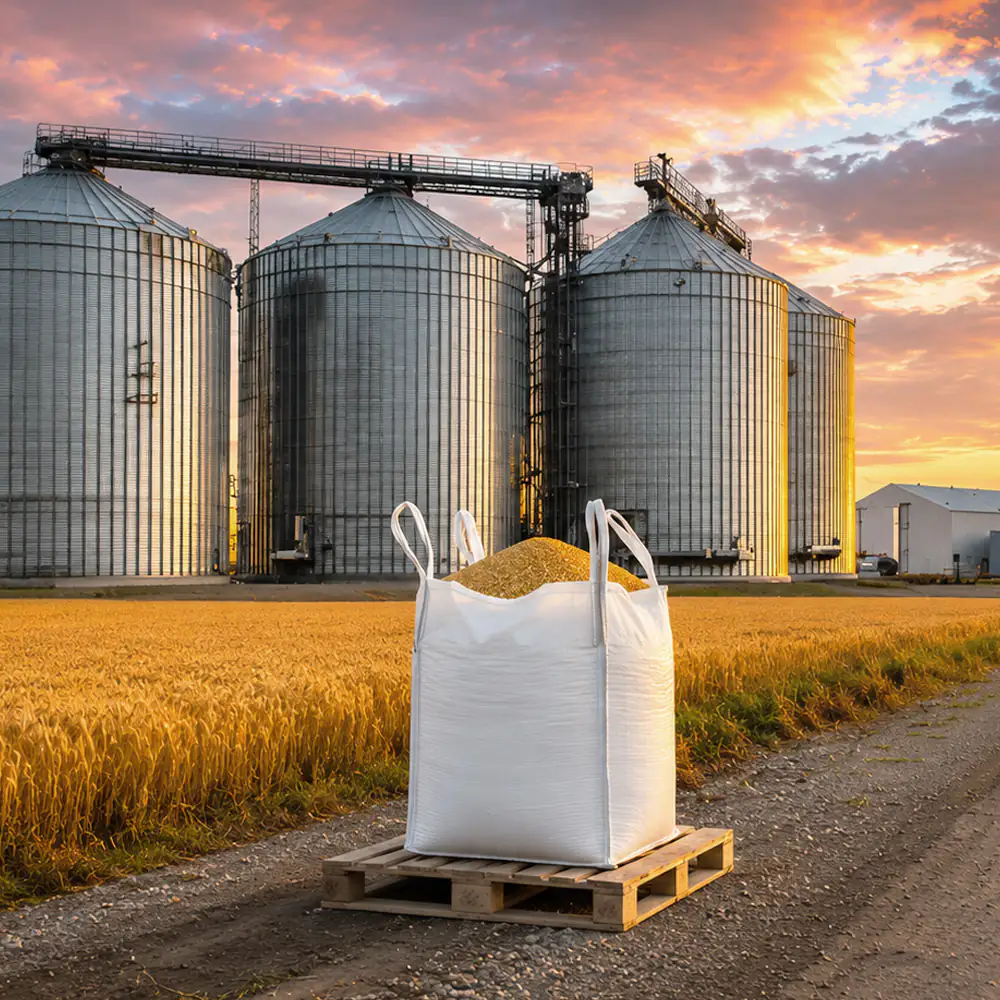
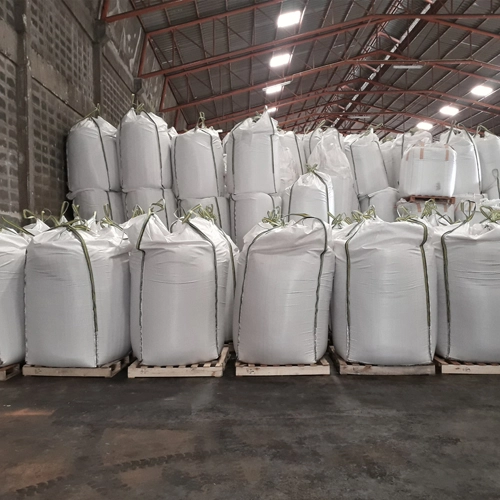
At Palmetto Industries, we manufacture bulk FIBC bags for agriculture that move grain, seed, and feed from the field to storage, transport, and end customers. Since 1994, we've built woven polypropylene bulk bags trusted by farmers, co-ops, grain handlers, seed producers, and feed manufacturers across the United States and beyond.
Our agricultural bulk bags are engineered for pre-processing crops, where strength, capacity, and cost-efficiency matter more than food-grade certification. We spec each bag to match the commodity, the equipment, and the handling environment, so every bag does the job it was designed to do.
To spec the right bulk bag for your operation, contact us today.

How We Help Agricultural Operations Move Bulk Product
We work directly with growers, co-ops, seed producers, and feed mills to supply custom-built bulk bags that match the commodity and the handling setup. Our team handles the spec, the manufacturing, and the logistics so customers can focus on the harvest, the planting season, or the next delivery.
Because of our dedicated global production network, we have quality managers on site for every step of production, from raw polypropylene through the finished bag. That network gives our customers consistent quality, predictable lead times, and the room to customize bags down to the specific demands of each crop or product.
We've shipped agricultural bulk bags from our warehouses in the United States, Australia, South America, and the United Kingdom for over three decades. Whether the order is a few hundred bags for a single growing season or a recurring multi-container schedule, our team will build a supply plan around it.
What are Bulk FIBC Bags for Agriculture?
Bulk FIBC bags, also known as flexible intermediate bulk containers or bulk bags, are large woven polypropylene containers used to store and move dry agricultural products in quantities of 500 to 4,000 pounds per bag. They're a more flexible and affordable alternative to rigid silos, bins, drums, and small sack packaging.
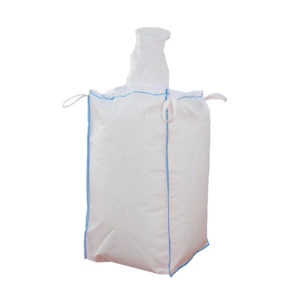
Each bag is built with lifting loops at the top corners, a fill spout or open top for loading, and either a discharge spout or sealed base for unloading. The polypropylene weave gives the bag its strength, while liners, coatings, and vents are added based on the commodity and storage conditions.
For agricultural use before processing, food-grade certification isn't required because the crop will be cleaned, dried, or refined further downstream. That keeps the unit price competitive without compromising the strength or safety of the bag, and our team will recommend the right specification for the stage of the supply chain you're operating in.
How Our Bulk Bags Perform in the Field
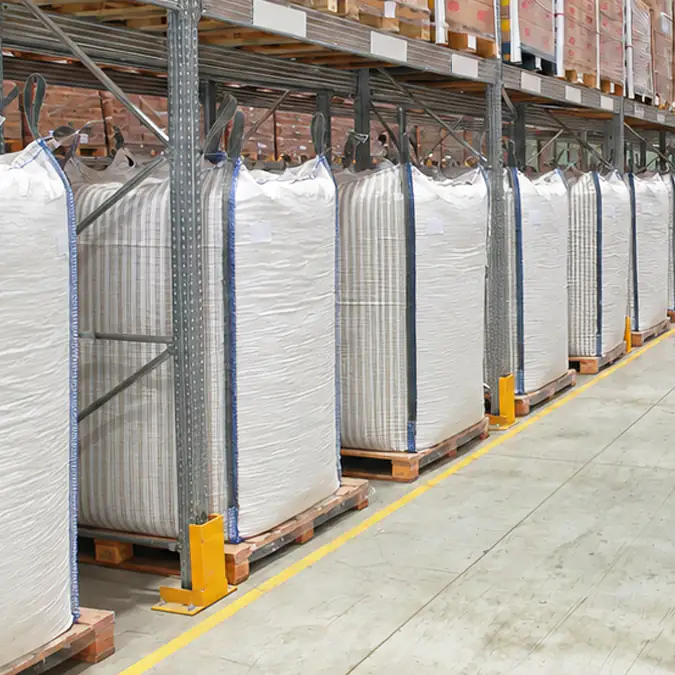
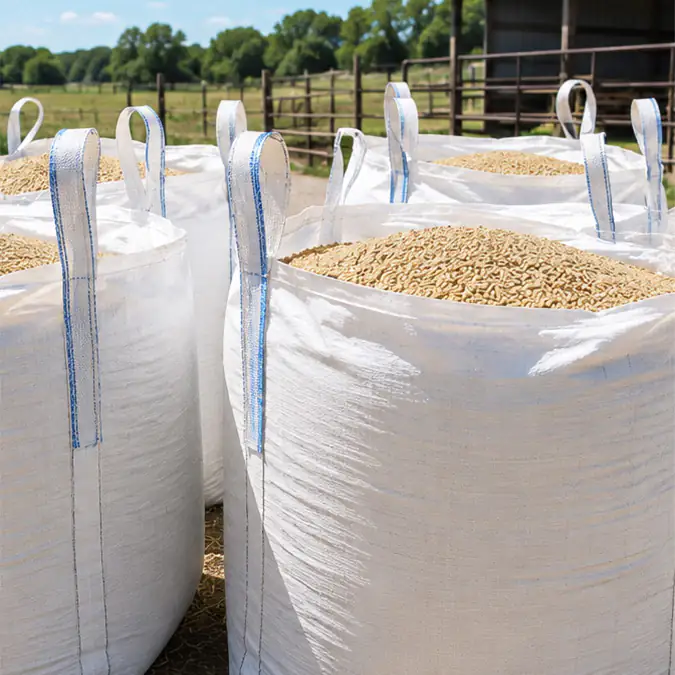
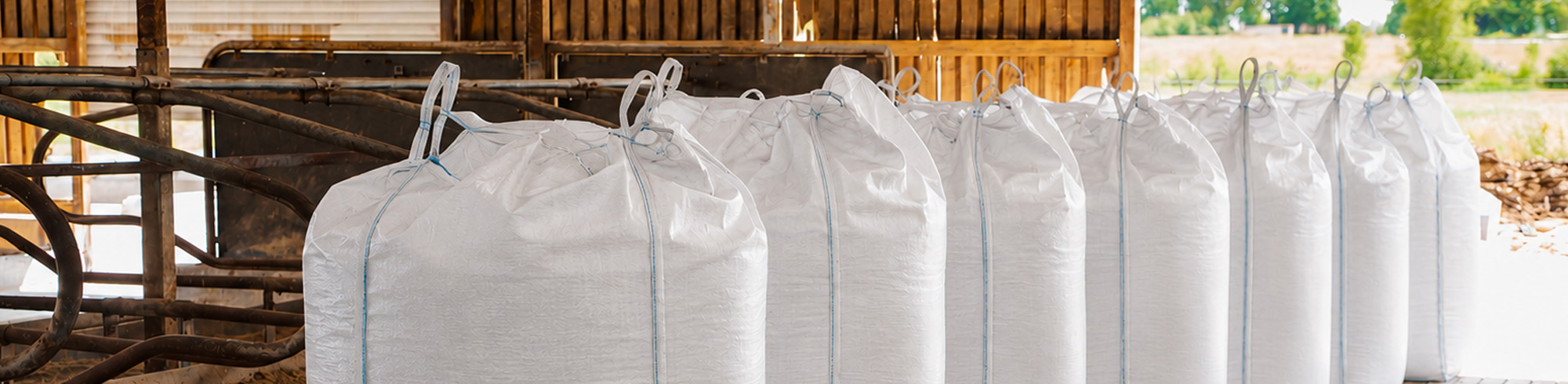
Our bulk bags are used across the agricultural supply chain, from harvest through storage, transport, and delivery. Each product line below is engineered for a specific commodity type, with sizing, venting, liner options, and safety factors matched to how the crop will be handled.

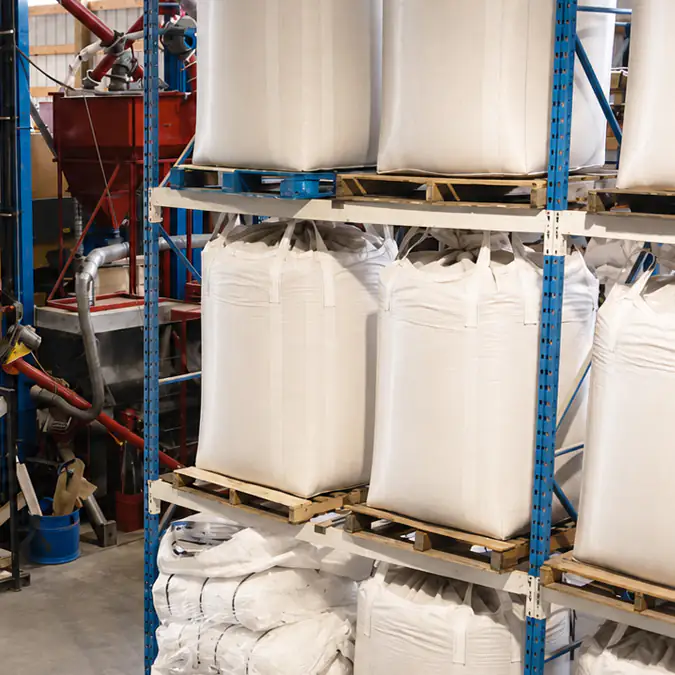
Specifications and Customization Options for Bulk FIBC Bags
We build agricultural bulk bags to the standards set by the Flexible Intermediate Bulk Container Association, which is the trade body governing FIBC manufacturing. Every bag is tested for safe working load, drop height, and fabric strength before it leaves our facility.
Standard capacity ranges from 500 pounds to 4,000 pounds, with custom sizes available on request. Safety factor ratings of 5:1 (single trip) and 6:1 (multi-trip) are both produced in our facility, and our team will recommend the right rating based on how the bag will be handled across its working life.
| Specification | Standard Range | Notes |
|---|---|---|
| Safe working load | 500 – 4,000 lbs | Custom capacities available |
| Safety factor | 5:1 (single trip), 6:1 (multi-trip) | Selected based on reuse cycles |
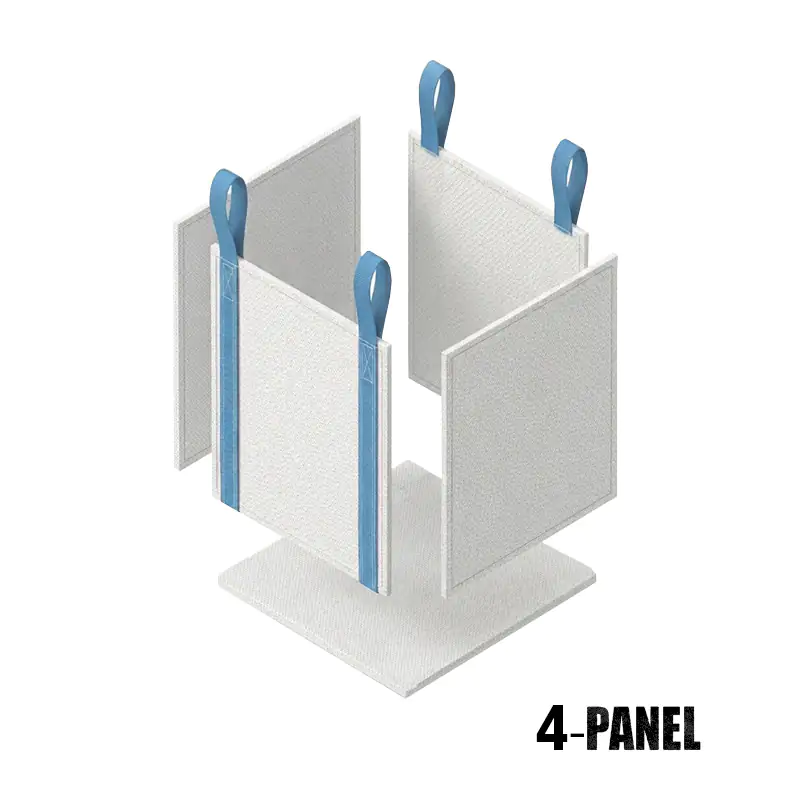
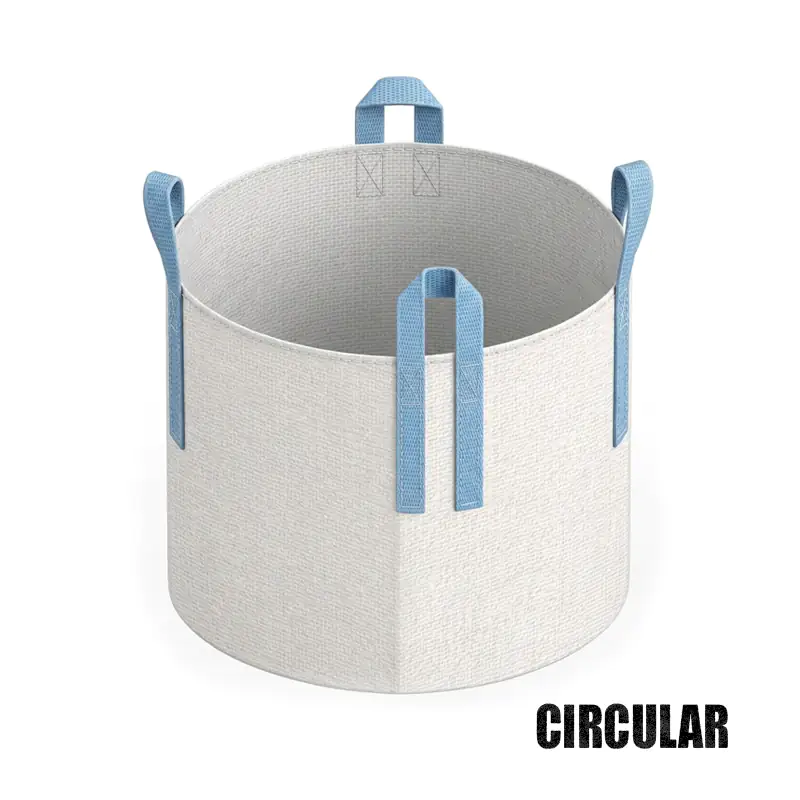
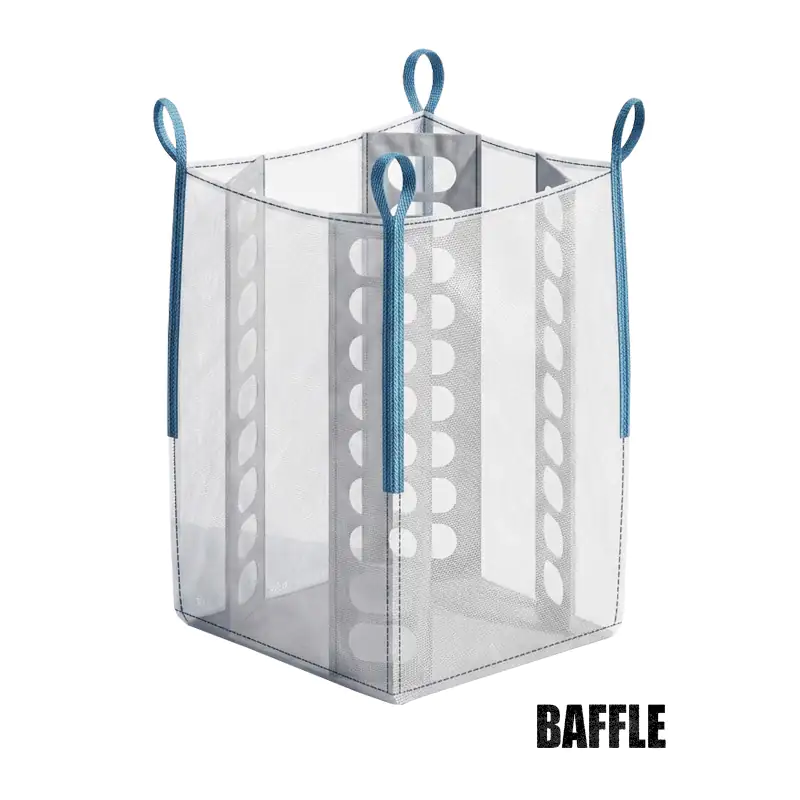
| Bag styles | U-panel, circular, baffle, four-panel | Matched to commodity flow characteristics |
| Fill options | Spout top, open top, duffle top | Selected based on filling equipment |
| Discharge options | Spout bottom, flat bottom, full discharge | Selected based on emptying method |
| Liner options | Polyethylene, foil, no liner | Based on moisture and contamination needs |
| Print options | Up to 6 colors, custom logos | For brand and variety identification |
| Dimensions | Custom-built per order | Standard sizes also available |
Bag style is one of the variables that affects bag performance most. U-panel bags hold their shape well during filling, circular bags are best for free-flowing products, baffle bags maximize cubic capacity for transport, and four-panel bags give the most rigid structure for stacking.
Beyond the specifications in the table, we also customize lifting configurations (standard four-loop, cross-corner loop, sleeve lift, single-point lift), discharge details (spout sizes, petticoats, iris closures, full-bottom designs), and venting for crops that need airflow during storage. Our team will walk through these variables on the first call, so the spec we quote is the spec that actually fits the operation.
Why Agricultural Operations Choose Palmetto Industries
We've been supplying FIBC bulk bags since 1994, with three decades of experience serving farmers, seed producers, agricultural retailers, cooperatives, and feed manufacturers. Our dedicated global production network is backed by internationally recognized quality standards, including ISO 9001, BRCGS, FSSC 22000, and HACCP certifications, helping ensure consistent performance across agricultural and food-related applications.
Our manufacturing model is built around dedicated production capacity, embedded quality oversight, and long-term manufacturing partnerships. Rather than relying on transactional suppliers, we work directly with our production network to maintain consistent quality, respond quickly to changing customer needs, and deliver reliable lead times. Whether you need a custom bag specification, increased production capacity, or expedited delivery, our integrated global team works together to make it happen.
Our U.S. operation was founded in Augusta, Georgia in 1994, where Palmetto Industries was named Small Business of the Year by the local chamber of commerce early in our history. Today, we ship from regional warehouses in the United States, Australia, South America, and the United Kingdom, which gives international customers shorter lead times and lower shipping costs than ordering directly from a single overseas facility.
For U.S. customers, that usually means a domestic warehouse pull rather than a container shipment from abroad, and our logistics team handles the routing on every order.
Our Palmetto CARE quality program means any quality issue raised by a customer is investigated and resolved as quickly as possible. We don't ship bags and walk away. Our team stays engaged through the working life of the bag and adjusts the spec on future orders if the customer's needs change.
To start a custom bulk bag spec with our team, contact us.
Common Challenges Agricultural Bulk Bag Buyers Face
Agricultural operations often run into the same handful of issues when sourcing bulk bags, and most of them come down to spec mismatch, lead time pressure, or quality inconsistency. Each one is fixable with the right upfront process, and our team builds that process into every order we quote.
When we run our intake process, we ask about the commodity, the moisture content, the storage environment, the handling equipment, and the number of reuse cycles before we quote anything. That conversation prevents the kind of expensive mismatch that hits operations during their busiest seasons, and we'll guide each customer through the right answers based on the specific use case.
Lead time pressure is the other common issue. Most generic suppliers quote 10 to 16 weeks on custom bags, which doesn't work for an operation that needs bags for an upcoming harvest. Because we manufacture in our own facility and warehouse in multiple regions, we can pull stock forward or pre-produce against a forecast schedule for recurring customers.
How Bulk FIBC Bags Compare to Other Agricultural Packaging
Bulk bags aren't the only option for moving agricultural product, but they're often the most cost-effective and flexible choice once volumes exceed what small sacks or drums can handle. The comparison below shows where bulk bags fit in the broader packaging picture.
| Packaging Type | Typical Capacity | Best For | Trade-offs |
|---|---|---|---|
| Small sacks (50 lb) | 25 – 100 lbs | Retail, small-scale distribution | High labor cost, slower handling |
| Drums and barrels | 200 – 600 lbs | Specialty or hazardous products | Heavy, expensive, limited stacking |
| Bulk FIBC bags | 500 – 4,000 lbs | Pre-processing grain, seed, feed | Requires forklift or crane handling |
| Rigid silos and bins | 10,000+ lbs | Long-term on-site storage | High capital cost, fixed location |
| Rail and truck bulk | Truckload quantities | Long-distance transport | No intermediate packaging flexibility |
The right answer usually involves a mix, and our team will walk customers through where bulk bags fit best in their wider packaging strategy. Many operations use bulk bags as the middle layer between rail or truck bulk transport and final retail packaging, because bulk bags are the most efficient way to break down large quantities into manageable units.
Let's Spec Your Next Bulk Bag Order Together
If you're sourcing bulk FIBC bags for a grain harvest, a seed planting season, or a feed delivery schedule, our team will guide you through the specification, manufacturing, and delivery process so the bags fit your operation from the first order onward. We've been doing this since 1994, and we're ready to put that experience behind your next project.
Call our team at 1-888-252-5331 or contact us to start the conversation.